
Wrap Yourself in These Kimono Style Robes
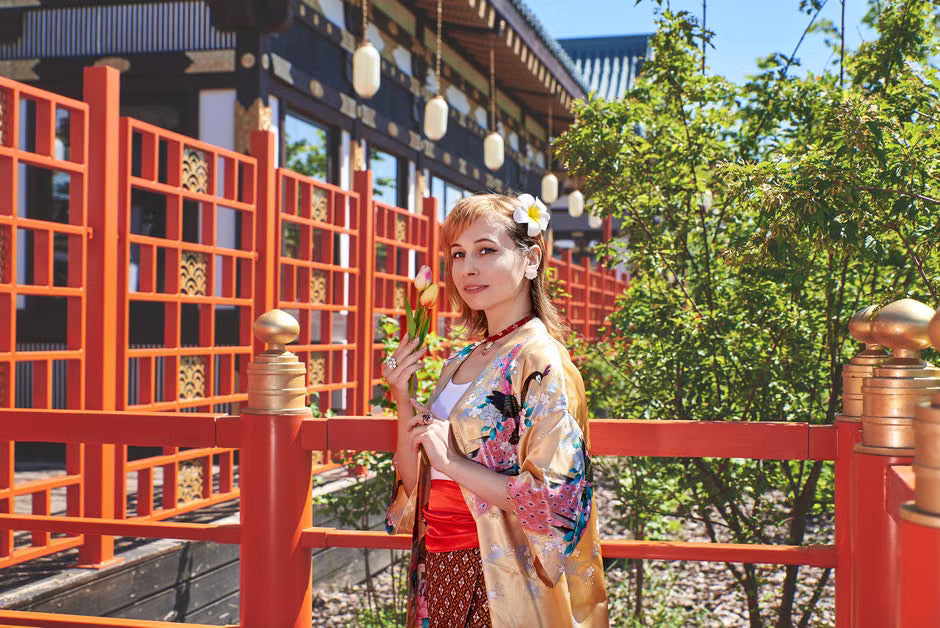
Why Robes and Kimonos Belong in Every Loungewear Wardrobe
Robes and kimonos are two of the most versatile and elegant pieces of loungewear you can own. Here's a quick look at what sets them apart:
| Feature | Traditional Robe | Kimono Robe |
|---|---|---|
| Primary purpose | Warmth and absorbency | Elegance and versatile style |
| Common fabrics | Terry cloth, fleece, cotton | Silk, satin, cotton, cupro |
| Silhouette | Fitted, belted | Flowing T-shape, wide sleeves |
| Wear occasions | Post-shower, home | Home, travel, beach, outerwear |
| Fit style | Structured wrap | Relaxed, adjustable wrap |
Whether you want something soft to slip into after a long day or a beautiful layer to wear around the house, there is a style made for you.
Kimono robes draw on centuries of Japanese design — think flowing sleeves, straight seams, and breathable fabrics that feel effortless to wear. Today, modern versions blend that traditional craftsmanship with everyday practicality, making them just as at home by the pool as they are on a slow Sunday morning.
New York Magazine once described a handcrafted kimono robe as something that "feels like an artisanal piece of work that I get to wear" — and that sums it up perfectly.
I'm Dawn Duchess, founder of DD Intimates, where I help people feel confident and comfortable in their own skin through carefully chosen self-care and wellness pieces, including robes and kimonos that bring beauty to everyday routines. With over two decades of experience in body confidence and personal wellness, I've rounded up the most elegant, versatile styles worth wrapping yourself in.

The Evolution of Robes and Kimonos: Design, Fabric, and Cultural Origins
To truly appreciate the magic of robes and kimonos, it helps to understand where they come from. While we often bundle them into the same loungewear drawer today, they have vastly different historical roots and design philosophies.
Traditional Western robes are primarily built for utility. Think of thick terry cloth, plush fleece, or heavy flannel. Their main jobs are absorbency and warmth—ideal for stepping out of a hot shower or keeping the winter chill at bay. They tend to feature structured shoulders, snug cuffs, and a simple waist tie.
In contrast, the kimono robe is an artistic masterpiece of drape and flow. Inspired by the traditional Japanese kimono (which literally translates to "thing to wear"), these garments feature a distinctive T-shape, straight seams, and wide, voluminous sleeves. Rather than clinging to the body, a kimono is designed to create a beautiful, fluid silhouette that moves with you.
Historically, the lightweight, breathable cotton version of the kimono—known as a yukata—was worn as a casual summer garment or after bathing in traditional hot springs (onsen). Other traditional styles like haori (short jacket-like kimonos) and happi coats also heavily influence modern loungewear designs.
By adapting these traditional forms for modern everyday use, contemporary designers have successfully bridged the gap between historical elegance and contemporary comfort. Today's kimono robes retain the classic wide sleeves and adjustable wrap style but are optimized for modern lifestyles, offering a relaxed fit that flatters every body type.
| Design Element | Traditional Western Robe | Japanese-Inspired Kimono Robe |
|---|---|---|
| Sleeve Style | Narrow, fitted sleeves with cuffs | Wide, flowing, rectangular sleeves |
| Seam Structure | Curved seams designed to hug body contours | Straight seams forming a classic T-shape |
| Closure | Heavy attached belt loops, snug wrap | Relaxed adjustable wrap, often with a detachable sash |
| Drape | Structured and heavy | Fluid, lightweight, and loose-fitting |
Choosing Your Fabric: Cotton vs. Silk Kimono Robes
When selecting your perfect robe, the fabric is the single most important factor. It determines how the robe feels against your skin, how it drapes, how you care for it, and when you can wear it. Let's look at how the two most popular options compare.

Cotton Kimono Robes
Cotton is the ultimate everyday workhorse. Lightweight, highly breathable, and incredibly durable, a high-quality cotton kimono robe is an excellent alternative to a heavy, traditional dressing gown.
- The Feel: Cotton kimono robes, particularly those inspired by the traditional Japanese yukata, offer a crisp yet soft texture. While they can sometimes feel slightly structured or stiff when brand new, they soften beautifully with every single wash, becoming a custom-molded layer of comfort over time.
- Best For: Hot climates, slow summer mornings, travel, and stepping out of the shower. If you love a crisp, clean aesthetic, a classic blue cotton kimono robe showcases how 100% cotton can look incredibly poetic while keeping you cool and comfortable.
Silk Kimono Robes
Silk is the gold standard of luxury loungewear. It offers an unmatched liquid-like drape that glides effortlessly over your curves.
- The Feel: Silk naturally regulates temperature, keeping you cool in the summer heat and warm when the temperature drops. Its smooth texture is hypoallergenic and incredibly gentle on sensitive skin.
- Best For: Elevated evening wear, romantic nights in, or making a bold style statement outside the house. For those looking to invest in a true work of wearable art, a high-quality silk kimono robe represents the pinnacle of luxury, combining 100% fine silk with traditional Japanese artistic motifs.
Modern Alternative Fabrics
If you want the luxury of silk but prefer vegan options or easier maintenance, modern textile technology has introduced incredible alternatives. Cupro (often called vegan silk) is made from cotton linters—a silky byproduct of cotton production that is biodegradable, anti-static, and hypoallergenic. It breathes beautifully like cotton but possesses the luxurious luster and drape of high-end silk.
Finding the Perfect Length and Fit for Every Body
Because robes and kimonos are designed with a relaxed, adjustable wrap fit rather than rigid, structured tailoring, they are incredibly forgiving. However, choosing the right length and understanding how to adjust the fit will ensure you look and feel your absolute best.

Sizing and the Adjustable Wrap
Unlike standard clothing, a kimono robe relies on a generous overlap and an adjustable sash (or obi belt) to create its shape. This means a single robe can easily accommodate natural body fluctuations, pregnancy, or different styling preferences.
- Pro Tip: If you prefer a sweeping, highly secure overlap with plenty of fabric to tuck in, consider sizing up.
- Height Considerations: If you are selecting a long, floor-length robe, we generally recommend it for individuals who are 5'1" (155 cm) or taller to ensure the hem drapes elegantly without dragging on the floor.
Styling Short Robes and Kimonos for Everyday Wear
Short kimono robes (typically hitting mid-thigh to just above the knee) and kimono jackets are incredibly practical, lightweight, and easy to style year-round.
- At Home: Slip a short cotton robe over your favorite chemise or pajama set for an instant morning upgrade. It keeps you covered while making coffee without the bulk of a full-length robe.
- On the Go: A short cotton robe makes the ultimate lightweight travel companion. It packs down to nothing and doubles as an elegant poolside or beach cover-up.
- Street Style: You can easily wear a short kimono open as a breezy cardigan over a simple white tee and denim shorts.
For a classic, highly rated option that captures this effortless energy, a lightweight cotton kimono robe offers a stunning layer that brings a touch of refined Japanese-inspired artistry to your daily routine.
Elegant Long Robes and Kimonos for Lounging and Outerwear
Long kimono robes (sweeping down to the ankle or floor) offer a dramatic, glamorous silhouette that instantly elevates your mood. There is something undeniably powerful about walking around your home in a floor-length, flowing garment.
- The Glamorous Lounger: Pair a long, printed silk or satin robe with wide-leg lounge pants and a soft camisole. This creates a sophisticated, hotel-spa aesthetic right in your own living room.
- The Outerwear Statement: Long kimonos make spectacular lightweight trench coats or duster jackets. Layer a beautifully printed long kimono over a sleek slip dress and heels for a formal evening event, or wear it open over a fitted tank top and tailored trousers for a chic, artistic daytime look.
To explore a wide range of luxurious, fluid silhouettes designed to transition seamlessly from the bedroom to the streets, look for elegant long robes and kimonos that offer both comfort and style.
Ethical Craftsmanship, Gifting, and Price Ranges
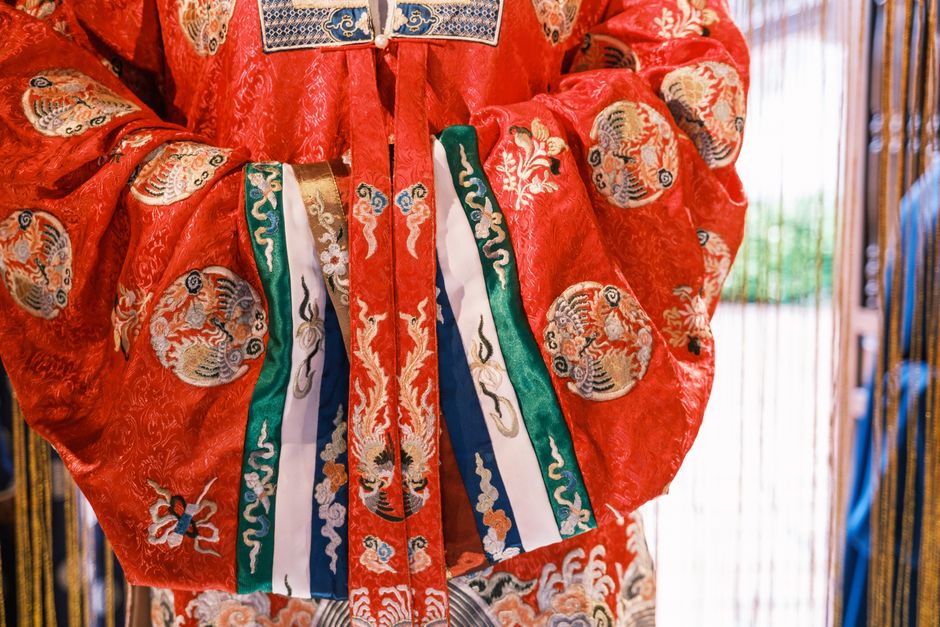
When shopping for robes and kimonos, it is important to look beyond the surface design and appreciate the craftsmanship behind the garment. High-quality kimono robes are often handcrafted in historic textile hubs like Kyoto, Japan, where artisans utilize traditional dyeing and painting techniques.
Many premium designs feature motifs steeped in rich cultural symbolism:
- The Peony: Represents prosperity, beauty, and grace.
- The Lotus: Symbolizes good fortune, resilience, and purity.
- The Plum Blossom & Warbler: Traditional symbols of spring, renewal, and happiness, beautifully captured in classic cotton kimono designs.
- The Peony Motif: Celebrated for its representation of abundance and dignity, often featured in gorgeous floral cotton kimono robes.
Why Kimono Robes Make the Perfect Gift
If you are looking for a thoughtful, luxurious gift, a kimono robe is an exceptional choice. Here is why they are so beloved by recipients:
- One-Size-Friendly: Because of the adjustable wrap style, you don't need to worry about knowing the recipient's exact measurements.
- Versatile Life Stages: They are incredibly practical and comforting for pregnant or nursing mothers, brides getting ready on their wedding morning, or anyone recovering from surgery.
- An Instant Mood Booster: Unlike utilitarian gifts, a beautiful robe is an invitation to slow down, practice self-care, and feel glamorous at home.
Understanding Price Ranges
- Cotton & Cotton-Blends ($80 – $180): Highly durable, machine-washable, and perfect for daily wear. The price is influenced by the quality of the cotton weave and whether the patterns are hand-printed.
- Washable Silk & Cupro ($150 – $300): Offers a luxurious feel with easier maintenance than traditional silk.
- Artisan & Hand-Painted Silk ($300 – $1,000+): These are investment pieces. The cost reflects the use of 100% pure silk, intricate embroidery, hand-sketched designs, and traditional hand-painting techniques (such as Kyo-Yuzen dyeing) that take days of meticulous labor to complete.
Care and Maintenance: How to Wash and Store Your Robe
A high-quality robe is an investment in your comfort. With the right care, your favorite pieces can last for years, getting softer and more comfortable with age.

Caring for Cotton Kimono Robes
- Washing: Machine wash on a cold or warm delicate cycle with like colors. Use a mild, gentle detergent.
- Drying: Line dry is always best to preserve the fibers. If you must use a dryer, tumble dry on low heat and remove the robe while it is still slightly damp to minimize wrinkles.
- Ironing: Cotton can handle a warm iron. Iron on the reverse side of the fabric to protect any printed designs.
Caring for Silk and Cupro Kimono Robes
- Washing: Hand washing in cold water with a specialized silk wash is highly recommended. If using a machine, place the robe inside a mesh laundry bag, wash inside out on an ultra-delicate cold cycle, and skip the spin cycle.
- Drying: Never wring out silk. Lay it flat on a clean towel, roll it up gently to absorb excess water, and then hang it up to air dry in the shade (direct sunlight can fade silk colors).
- Steaming: Use a garment steamer on a low setting to easily release wrinkles. If using an iron, select the lowest silk setting, use a clean pressing cloth between the iron and the robe, and iron only on the reverse side.
Frequently Asked Questions about Kimono Robes
What is the difference between a traditional robe and a kimono robe?
Traditional Western robes are designed primarily for post-bath absorbency and warmth, often featuring heavy fabrics like terry cloth or fleece. Kimono robes are inspired by traditional Japanese garments, featuring a T-shape silhouette, wide flowing sleeves, straight seams, and lightweight, breathable fabrics (like cotton, silk, or cupro) designed for elegant lounging or outerwear.
Can a silk kimono robe be worn outside the house?
Absolutely! Modern silk and satin kimono robes make stunning fashion statements. You can wear them completely open as a lightweight duster jacket over a simple tank top and jeans, or cinch them tightly with a belt to wear as an elegant wrap dress for a night out.
How do I choose the right size for an adjustable wrap robe?
Because kimono robes feature a relaxed, non-structured drape and an adjustable waist tie, they naturally fit a wide range of body shapes. Look at the brand's length measurements first to ensure the hem lands where you want it to, and consider sizing up if you prefer a highly generous wrap with plenty of overlap.
Conclusion
Incorporating robes and kimonos into your daily routine is one of the simplest ways to elevate the everyday. Whether you are sipping your morning coffee in a breathable cotton yukata or stepping out for dinner in a dramatic, flowing silk kimono, these garments bring a sense of art, comfort, and timeless beauty to modern living.
At DD Intimates, we believe that true wellness starts with how you treat yourself in your quietest moments. To support your self-care journey, we offer fast domestic shipping across the USA, secure checkout, and free shipping on all orders over $100—all delivered straight to your door in discreet, plain packaging to protect your privacy.
Ready to dive deeper into the connection between comfort, confidence, and self-care? Explore DD Intimates Sexual Wellness Resources for expert tips, guides, and inspiration designed to help you feel beautiful from the inside out.
-
Posted in
Robes and kimonos


